Understanding Joint Health: A Comprehensive Guide
Explore the science of joint function and natural approaches to musculoskeletal wellness
The Fundamentals of Joint Function
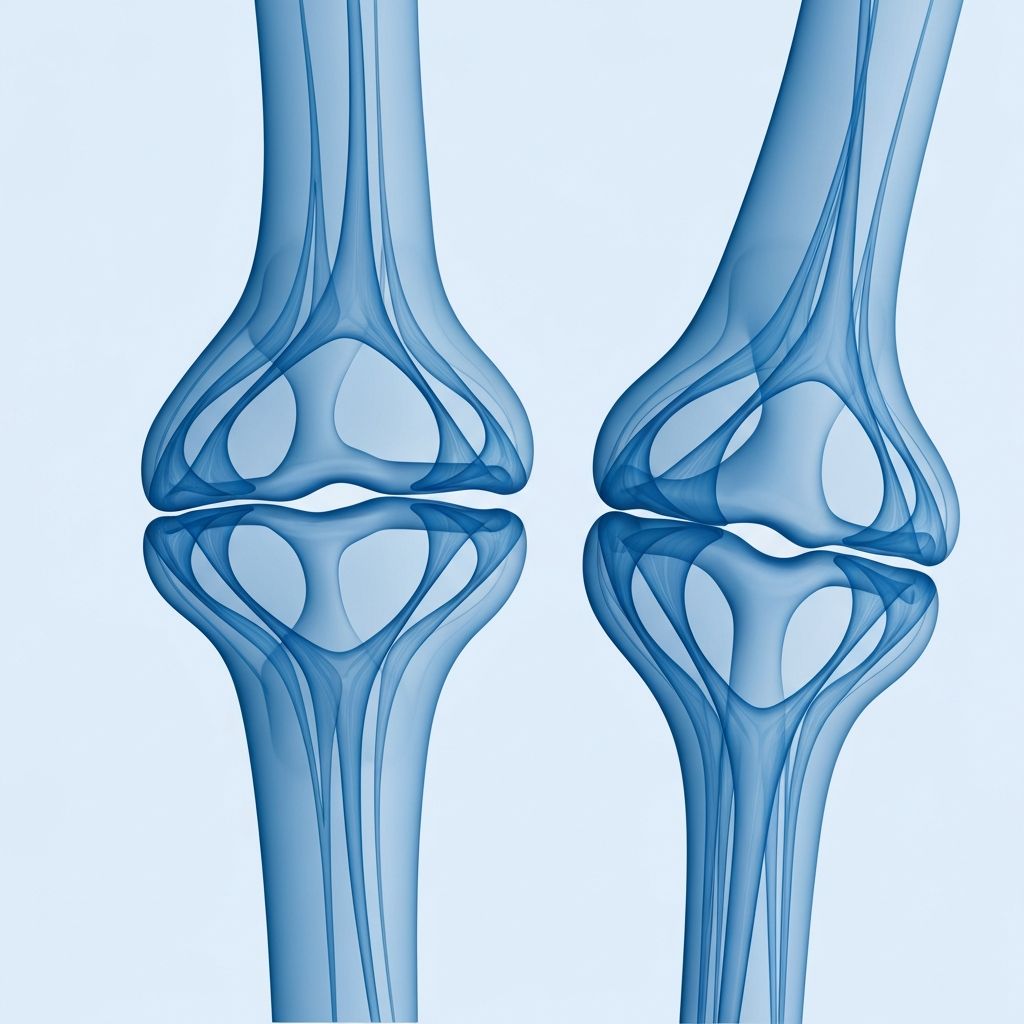
Joints are complex structures that enable movement and flexibility throughout the human body. Each joint comprises multiple components working in harmony: cartilage provides a smooth, protective surface; ligaments connect bones and provide stability; synovial fluid acts as a lubricant; and surrounding muscles provide support and movement capability.
Understanding how these elements function together is essential to appreciating the role of various compounds and lifestyle factors in maintaining joint health and mobility. The human skeletal system is a remarkable feat of biological engineering, designed for movement, support, and adaptation throughout life.
Key Nutrients for Musculoskeletal Support
The human body relies on a spectrum of essential nutrients to maintain and support its structural integrity and function. Vitamins and minerals play critical roles in countless bodily processes:
Vitamins D and C
Vitamin D supports calcium absorption and bone metabolism, contributing to skeletal strength. Vitamin C plays a vital role in collagen synthesis, the primary structural protein in connective tissues. Together, these micronutrients form a foundation for musculoskeletal health.
Calcium and Magnesium
Calcium provides the mineral density necessary for bone structure, while magnesium supports muscle function and bone formation. Both minerals work synergistically to maintain the body's structural framework and support proper muscular contraction and relaxation.
Exploring Botanical Ingredients for Flexibility
Throughout history, various plant-based compounds have been explored and studied for their potential to support general wellness and bodily function.

Turmeric and Ginger
These traditional botanicals have been utilized in various cultural wellness practices for centuries, with ongoing research exploring their biochemical properties and potential contributions to overall health and well-being.

Herbal Compounds
A wide range of plant-based compounds contain bioactive constituents studied for their potential roles in supporting bodily functions. These natural ingredients represent rich sources of chemical diversity worthy of scientific investigation.
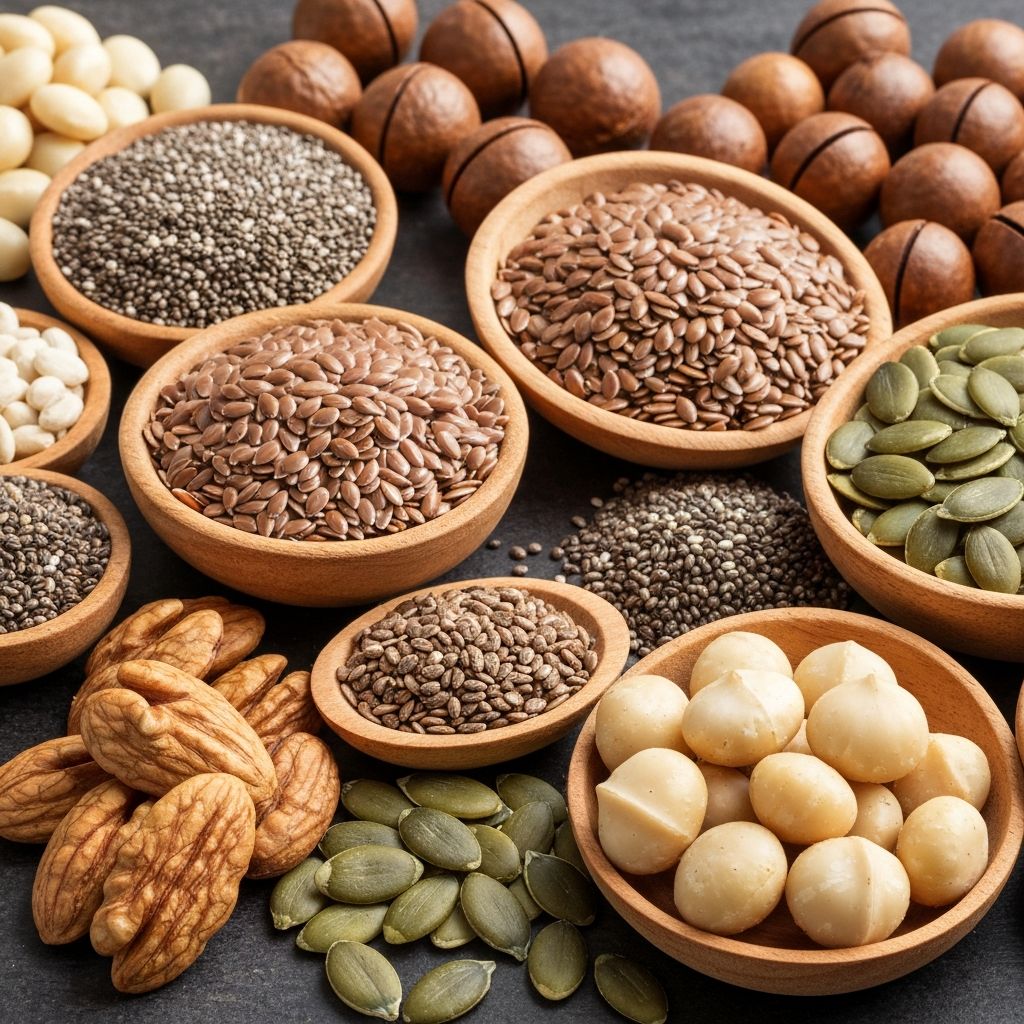
Natural Wellness Compounds
From seeds to roots, botanical sources provide naturally occurring compounds that have captured scientific interest and continue to be the subject of extensive research into their potential contributions to human health.
Lifestyle Factors for Maintaining Mobility

Beyond nutritional factors, several lifestyle choices significantly contribute to long-term joint health and musculoskeletal function. Regular, moderate physical activity promotes muscle strength and joint stability. A balanced diet rich in diverse nutrients supports overall bodily function. Proper hydration, adequate sleep, and stress management all play integral roles in maintaining physical wellness and mobility.
Understanding these multifaceted factors provides a comprehensive perspective on the complex interplay between daily habits, nutrition, and the body's capacity to maintain flexibility and function throughout life.
Debunking Common Misconceptions About Joint Health
The field of joint health is subject to numerous myths and oversimplifications. Here are some commonly misunderstood concepts:
Misconception: Joint Wear is Inevitable
While aging affects all biological systems, proactive lifestyle measures—including movement, nutrition, and overall wellness practices—can significantly support joint function and mobility throughout life.
Misconception: One Solution Fits All
Joint health is multifaceted, influenced by genetics, lifestyle, nutrition, activity level, and individual physiology. No single approach or compound is universally applicable to every person.
The Science of Connective Tissues Explained
Connective tissues form the structural foundation of the human body, and collagen is the most abundant protein within them. Collagen provides tensile strength, elasticity, and structural integrity to bones, tendons, ligaments, and cartilage. Elastin, another key protein, provides the resilience and flexibility necessary for tissues to return to their original shape after stretching or compression.
Understanding the composition and function of these proteins illuminates why maintaining adequate nutrition—particularly with regard to amino acids, vitamins C and D, and minerals like copper and zinc—is important for supporting the body's ongoing maintenance and repair processes. The continuous remodeling of connective tissues is a dynamic process influenced by mechanical stress, nutritional status, and overall metabolic health.
A Balanced Diet for Joint Well-being

Nutritional science demonstrates that various food groups contribute essential nutrients supporting skeletal and muscular function. Protein sources provide amino acids necessary for tissue synthesis. Colorful vegetables and fruits deliver vitamins, minerals, and phytochemicals. Healthy fats support cellular membrane integrity and nutrient absorption. Whole grains provide energy and micronutrients.
A diverse, whole-food-based diet naturally provides the broad spectrum of compounds the body requires to maintain structural integrity, support joint function, and sustain overall health. The synergistic effects of these natural compounds, working together in the context of a balanced diet, represent one of the most effective approaches to supporting long-term musculoskeletal wellness.
Understanding Natural Compounds: Glucosamine and Chondroitin
Glucosamine is a naturally occurring compound found in the body, playing a structural role in cartilage and other connective tissues. It serves as a precursor for the synthesis of proteoglycans, essential components of the extracellular matrix in cartilage.
Chondroitin sulfate is another compound naturally present in connective tissues, particularly cartilage. It contributes to tissue hydration and elasticity. Both compounds have been extensively studied in scientific literature, with researchers exploring their potential roles in maintaining cartilage composition and function.
These naturally occurring substances represent important research subjects for understanding how the body maintains its structural components and how various compounds might support these ongoing processes. The study of these substances continues to expand our knowledge of musculoskeletal biology.
The Role of Antioxidants in Bodily Processes
Antioxidants are compounds that play significant roles in cellular biology by helping to manage oxidative stress—a natural byproduct of cellular metabolism. Various dietary sources provide different antioxidant compounds:
Plant-Based Antioxidants
Vegetables, fruits, nuts, and seeds contain diverse antioxidant compounds including polyphenols, flavonoids, and carotenoids. These compounds contribute to the body's natural defense mechanisms and support overall cellular health.
Supporting General Wellness
The regular consumption of antioxidant-rich foods supports the body's natural ability to maintain cellular integrity and function. This foundational aspect of nutrition contributes to broader health and vitality across all bodily systems, including those supporting joint function.
Visualizing Joint Anatomy: An Interactive Overview
A comprehensive understanding of joint anatomy requires familiarity with several key structures and their functions. The skeleton provides the rigid framework, while joints serve as articulation points enabling movement. Bones meet at joints, where specialized tissues and fluids facilitate smooth motion.
The synovial joint represents the most complex and mobile joint type, featuring a sophisticated architecture: articular cartilage covers the bone ends, synovial fluid provides lubrication, the joint capsule provides containment, and supporting ligaments and muscles provide stability and movement capability. Understanding this anatomical organization provides context for comprehending how various nutrients and compounds support these structures in maintaining their function.
Limitations and Context
Educational Content Only. The information provided on this website is for informational and educational purposes only. It is not intended to replace professional medical advice, diagnosis, or treatment. Individual circumstances vary, and the approaches discussed here represent general information applicable across diverse populations.
This website does not provide personalized recommendations, and users should consult with qualified healthcare professionals for decisions related to their individual health. The site is maintained as a knowledge resource to help individuals understand concepts, explore information, and develop informed perspectives on natural compounds and joint health.